Substance Dependence in Post-Secondary Students: You are not the only one.
- Amelie Hamlyn-Lovis & Chidiamara Ogedengbe
- Dec 4, 2024
- 6 min read
Written by: Amelie Hamlyn-Lovis and Chidiamara Ogedengbe
Edited by: Liya Monfopa and Olivia Cheng

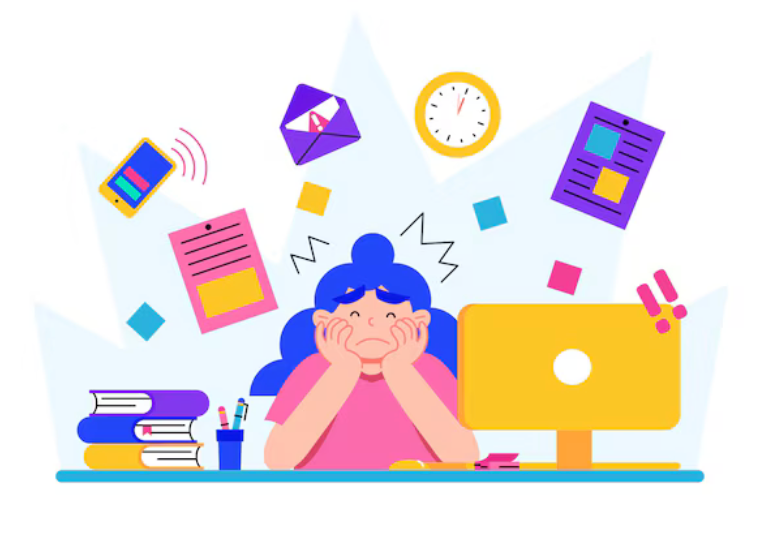
Post-secondary can be a stressful time, psychologically and socially. Effective coping mechanisms are crucial for managing these stressors and maintaining overall well-being. They should benefit your psychological well-being without impacting your daily functioning. The media has normalized substance use as a coping mechanism for students, promoting party culture as part of the “university experience”. Around 44% of post-secondary students engage in binge drinking every two weeks (Dayan et al., 2010).
A substance is any natural or synthesized product with psychoactive effects that change one's perception, emotions, or behaviour (Nolen-Hoeksema & Jennings, 2023, p.436). The psychoactive nature of substances makes it easy to develop substance dependence as a harmful coping mechanism for dealing with stress. People become dependent on the immediate gratification of substances. Substance Use Disorders are a spectrum ranging from mild to severe, based on the pattern of behaviours related to the use of the substance (Nolen-Hoeksema & Jennings, 2023, p.435). Substance dependence affects an individual mentally, emotionally, physically, and socially. In severe cases, one suffers from withdrawal — physical and behavioural changes resulting from reduced use of substances (Nolen-Hoeksema & Jennings, 2023, p.438). Substance Use Disorders impair one's cognitive abilities, as well. It can lead to other mental disorders such as psychotic disorders, bipolar and related disorders, depressive disorders, anxiety disorders, obsessive-compulsive and related disorders, sleep-wake disorders, sexual dysfunction, delirium, and neurocognitive disorders (American Psychiatric Association, 2022, p.744). Substance use may seem like a solution to psychological stress, but your psychological stress will persist when the effect of the substance wears off. Building effective coping mechanisms, going to therapy, and dealing with stress firsthand are long-term solutions and an investment in your well-being.
Understanding Substance Dependence
Socioeconomic and biological factors make late adolescence and early adulthood (18-25 years of age) critical periods for the initiation of substance dependence. During this crucial period, the brain undergoes neurodevelopment in decision-making, risk-seeking, and emotional regulation (Dayan et al., 2010). This developmental period is marked by an imbalance between the prefrontal cortex, which controls impulses and decision-making, and the limbic system, which is particularly responsive to rewards and emotional stimuli (Andersen, 2019).
Think of it this way: As an adolescent, your brain is already susceptible to risky behaviour because of your heightened emotional response and need for reward. Socioeconomic factors such as increased independence, transition to higher education or the workforce, and exposure to new social environments increase your vulnerability to seek risk and immediate gratification. Stressful life changes, such as financial pressures or adapting to new responsibilities, amplify the likelihood of substance use as a coping mechanism (Andersen, 2019). Furthermore, peer influence and the availability of substances in social settings in university life can normalize and reinforce substance use during this period. By integrating both biological and environmental influences, it becomes evident why post-secondary is a peak risk period for substance use.
Signs to Look Out For
According to the American Psychiatry Association (2022), the following are symptoms of substance dependence:
Taking the substance in a larger amount or for a longer period than was originally intended.
Expressing a persistent desire to reduce or regulate substance use and reporting unsuccessful efforts to decrease or cut down.
Spending a great amount of time obtaining, using, and recovering from using the substance.
In severe cases, daily activities revolve around the substance.
Cravings; intense desire or urge for the substance. Can be related to a particular social environment.
Failure to fulfill obligations at work, school, or home.
Recurrent social or interpersonal problems caused by the effects of the substance (family, peers, significant other).
Reduced social, occupation, or recreational activities.
Withdrawing from family activities and hobbies.
Continuing to use the substance despite experiencing physical or psychological effects.
Failure to abstain despite the difficulty the substance is causing.
Tolerance; increasing the dosage of the substance to achieve the desired effect.
Withdrawal symptoms; can be physical or psychological.
If you or anyone you know suffers from these symptoms please consider seeking professional help.
Recovery is a Journey: You are not alone.
Recovery is a journey, but you don’t have to go through it alone. Many people understand what you are going through and want to help you succeed. Substance dependence can sometimes feel like it's taking control of your life, but the truth is that you still have the power to make decisions and take steps toward a healthier future. There are several resources and support systems available that can guide you, whether it's therapy, support groups, or medical assistance. These tools can help you regain strength, rebuild relationships, and rediscover your passions and goals.
The foundations of recovery consist of three pillars: personal recovery, family and social recovery, and community recovery (Terrion, 2013). Personal recovery involves setting new goals and redefining your identity as you embark on a journey to recovery. Recovering from substance dependency is hard, and setbacks are normal steps in the process. Managing cravings and withdrawals is by no means easy, but there are professionals there to help you. Whether it is physical, emotional, and/or behavioural withdrawal, seeking medical assistance can ease the process. With that in mind, know that a history of addiction will not prevent you from succeeding in university or meeting any other goals you’ve made for yourself. Start thinking about the type of person you want to be, and start working towards becoming that person. According to Terrion, engaging in new activities not associated with substance use can be a monumental step in building a new identity (2013). Start new hobbies and activities, like going to the gym, doing intramural sports, or knitting!
Family and social recovery means surrounding yourself with people who can support you through your journey (Terrion, 2013). Although it’s much easier said than done, an important first step is distancing yourself from people and environments who might encourage a relapse. Instead, seek relationships to help you meet your recovery and personal goals. These include family members, classmates, support group members, and peers from clubs and other extracurriculars. If you feel comfortable, opening up about your addiction can be a valuable opportunity to garner additional support.
While community recovery isn’t necessarily under individual control, the resources, policies, and attitudes a community has can have major implications on addiction recovery. Unfortunately, many aspects of university culture can encourage dependence, especially substance dependence. However, the McMaster Student Wellness Centre can connect you with numerous resources to access support for behavioural and substance addictions.
Seeking Help
Withdrawal symptoms can be overwhelming and also lead to medical emergencies or relapse due to the intense cravings. Dependence occurs when the brain and body adjust to the regular presence of a substance, leading to reliance on the substance for normal function. Abruptly reducing or stopping the substance can trigger withdrawal symptoms, ranging from mild issues like nausea and anxiety to severe complications such as seizures or life-threatening cardiac problems, depending on the substance (Nolen-Hoeksema & Jennings, 2023, p.438). Medical professionals can provide safe and controlled detoxification, using medications to stabilize the brain and body during withdrawal (Nolen-Hoeksema & Jennings, 2023, p.460). Engaging with healthcare providers helps individuals manage the physical or psychological challenges of dependence and focus on long-term health.
Cognitive Behavioral Therapy (CBT) can help reshape the thinking and behaviours that contribute to addiction. CBT allows individuals to develop healthier thinking methods for long-term recovery by addressing negative thought patterns, such as the belief that substance use is essential for coping with stress or emotions. Additionally, CBT provides practical coping strategies to manage triggers and cravings and prevent relapse (Nolen-Hoeksema & Jennings, 2023, p.462-463).
Prevention programs are also highly effective, as they teach individuals how to manage high-risk situations, build resilience, and develop skills to avoid substance use. These programs focus on relapse prevention by fostering healthy behaviours, building social support networks, and promoting emotional regulation, ultimately helping individuals lead a more balanced and substance-free life (Nolen-Hoeksema & Jennings, 2023, p.466).
Conclusion
University marks a period of new experiences, and for many people, drinking, smoking, and drug experimentation are a part of that. However, new experiences can also make post-secondary a stressful time, which heightens our vulnerability to substance dependence. Understanding what signs to look out for can help us ensure that we and the people we care about are safe when experimenting with substances. If you or someone you know are struggling with substance dependence, you are not alone. Reach out to your support system and contact the Student Wellness Centre for help.
Resources
Student Wellness Center- Student Wellness Center/ Addictions.
Offers counselling and services/programs within the school community. You can make a same-day appointment by calling 905-525-9140 x 27700 or visiting reception.
Connexontario- https://connexontario.ca/
A free 24/7 confidential service offering support through phone, chat, text, and email for people in Ontario. Their team of trained professionals share information about the mental health, gambling and addictions system, and recommend or refer you to programs and services to meet your needs.
References
American Psychiatric Association. (2022). Diagnostic and statistical manual of mental disorders. Diagnostic and Statistical Manual of Mental Disorders, Fifth Edition, Text Revision (DSM-5-TR), 5(5), 744–765. https://doi.org/10.1176/appi.books.9780890425787
Andersen, S. L. (2019). Stress, sensitive periods, and substance abuse. Neurobiology of Stress, 10, 100-140. https://doi.org/10.1016/j.ynstr.2018.100140
Dayan, J., Bernard, A., Olliac, B., Mailhes, A.-S., & Kermarrec, S. (2010). Adolescent brain development, risk-taking and vulnerability to addiction. Journal of Physiology-Paris, 104(5), 279–286. https://doi.org/10.1016/j.jphysparis.2010.08.007
Nolen-Hoeksema, S., & Jennings, H. (2023). Abnormal psychology. Mcgraw Hill, Ninth Edition, 434–471
https://www.mheducation.com/highered/product/Nolen-Hoeksemas-Introduction-to- Psychopathology-Jennings.html
Terrion, J. L. (2013). The experience of post-secondary education for students in recovery from
addiction to drugs or alcohol: Relationships and recovery capital. Journal of Social and
Personal Relationships, 30(1), 3-23.

Comments