Imposter Syndrome: The Mind’s Biggest Trick
- Cope McMaster

- Mar 31, 2025
- 8 min read
Written by Lydia Su & Jasmine Dehmasi Edited by Mira Kennedy & Fatima Salman Raza
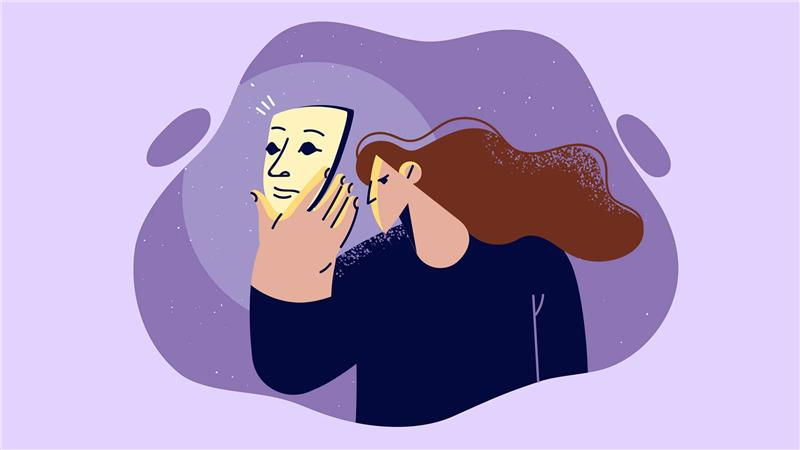
What is Imposter Syndrome?
Imposter syndrome (IS) is the persistent feeling of self-doubt regarding competence, intellect, skills, or accomplishments (Heucker et al., 2023). Individuals with IS feel undeserving of their accomplishments and fear being exposed as a fraud despite concrete evidence of their success. Even highly capable individuals struggle with this and they attribute their achievements to luck rather than genuine ability.
Common signs and symptoms include (Shafir, 2022):
Feeling like a “fraud”
Anxiety of being exposed
Guilt and fear when successful, discomfort with praise and recognition
Self underestimation
Inability to ask for help and advice
Overpreparation
Fear of failure
Perfectionism
While IS is not a diagnosable mental illness — meaning it is not officially recognized in the DSM-5 (Diagnostic and Statistical Manual of Mental Disorders) — it is still extremely common (Heucker et al., 2023). Research suggests that up to 70% of people experience IS at some point in their lives (Shafir, 2022). Globally recognized figures such as Michelle Obama, Emma Watson, and Tom Hanks have openly discussed struggling with IS, proving that no level of success makes someone immune (Miller, 2015).
The Origins of IS
IS was first identified in 1978 by psychologists Suzaane Imes (Ph.D.) and Pauline Rose Clance (Ph.D) (Heucker et al., 2023). They wrote a paper called “The Imposter Phenomenon in High Achieving Women” (Clance & Imes, 1978). Interestingly, it was originally labelled a “phenomenon” rather than a “syndrome.” While the early research focused on IS in high achieving women, we now understand that IS can affect people of all genders and backgrounds. Due to its fluid definition and criteria, there is lots of debate over the proper usage of the term (Hussey, 2024).
The 5 Types of IS
Dr. Valerie Young, a leading expert on IS, identified five subtypes (Cuncic, 2024):
The Perfectionist: One who sets unrealistically high expectations for themselves, and refuses to accept any standard short of perfection. They feel like an imposter because their self-worth is defined by flawless performance. Any small mistake or shortcoming proves that they’re not good enough and reinforces their belief of being an imposter.
The Expert: One who constantly believes they don't know enough, regardless of how much knowledge and experience they gain. They feel like an imposter because they judge their competence based on knowing everything. If there is more for them to learn, they feel unqualified.
The Natural Genius: One who believes ability and intelligence should come naturally. They feel like an imposter because they judge their competence based on speed and effort. When something doesn’t come naturally, they assume they are not good enough.
The Soloist: One who believes they must do everything alone because they think seeking help is a sign of incompetence and unworthiness. They feel like an imposter because they believe their accomplishments only matter if they achieve them independently. It is possible that if they had help to reach or achieve something, they question their abilities because they couldn’t achieve it on their own.
The Superperson: One who believes they must excel in every role they take on. They feel like an imposter because if they fall short in any area, they feel incompetent. This results in them pushing themselves to work harder than others to prove their abilities.
The Causes of IS
There is no single cause of IS – it develops from a combination of internal and external factors.
Internal factors (Shafir, 2022):
High neuroticism: A tendency to experience negative emotions.
Low conscientiousness: Difficulty maintaining responsibility, organization, and goal-directed approaches.
Perfectionist: May have trouble asking for help from others and procrastinate due to their own unrealistically high standards.
External factors (Shafir, 2022):
Family dynamics and upbringing: A lack of positive reinforcement and praise in childhood can lead to children developing unhealthy outlooks on achievement and performance.
Workplace/educational environments: Environments that overemphasize performance can foster a competitive culture. For example, a collaborative work environment that encourages risk-taking, mistakes, and progress can decrease the likelihood of employees experiencing IS. Whereas in academia, one’s self-worth and value is determined by intellectual ability, grades, and academic performance. These factors can fuel and increase the likelihood of developing IS.
Mental health struggles: Dealing with mental health issues like anxiety and depression can feed off of low self-esteem and self-worth, making individuals more prone to IS.
Individuals Most Impacted by IS
It's essential to acknowledge that IS can affect individuals across all demographics and professions in Canada. However, we will focus on vulnerable groups within the student population and how IS typically manifests in these groups.
Among Canadian students, certain populations are more susceptible to experiencing the self-doubt and feelings of fraudulence associated with IS. For instance, international students have to adapt to a new academic and cultural environment, which can trigger feelings of inadequacy. Roland Lightbourn, a 20-year-old international student from The Bahamas studying at McMaster University, exemplifies this experience (Daniel et al., 2021). He has faced IS since a younger age, recalling moments when his accomplishments were minimized or dismissed, leading him to internalize self-doubt despite achieving praiseworthy feats (Daniel et al., 2021). Lightbourn and other students have sought support through resources like McMaster's Black Student Success Centre, which provides mentorship and counseling to help navigate these challenges (Daniel et al., 2021). Similarly, racialized students in Canadian universities may deal with IS due to underrepresentation and systemic biases (Henry et al., 2017). Indigenous students, who are often underrepresented in higher education, can also experience a sense of not belonging, further exacerbating these feelings (Cote-Meek, 2014).
Gender also plays a role, with research indicating that IS is particularly prevalent among female students in STEM disciplines, regardless of their ethnicity. Juliet Daniel, a professor at McMaster University, has highlighted this issue, stating, "Especially in STEM fields, every female student, regardless of ethnicity, faces imposter syndrome" (CBC News, 2024). Daniel further emphasizes the persistence of IS among racialized students due to systemic barriers and underrepresentation. She advocates for valuing contributions from all individuals in society, noting, "We can't be treating 50% of the population as if they have no value" (CBC News, 2024). Additionally, first-generation students, who are the first in their families to attend university, often experience heightened pressure and self-doubt that can contribute to IS (Lehmann, 2007). Finally, the transition to graduate studies and the increased academic demands can trigger or worsen imposter feelings in many students (Parkman, 2016).
In these vulnerable student groups, IS typically manifests as persistent self-doubt despite academic achievements, difficulty internalizing success and instead attributing it to external factors or luck, and finally a fear of being "exposed" as intellectually inadequate. Students may also overwork to compensate for perceived inadequacies, show reluctance to speak up in class or academic discussions, experience anxiety about seeking help from professors, and compare themselves unfavorably to peers.
Understanding these manifestations of IS in vulnerable student populations is crucial for developing targeted support systems and interventions that can effectively address this issue within Canadian academic settings.
How IS Presents in Students
IS manifests in various ways among students, often leading to significant academic and personal challenges. Students experiencing this phenomenon may grapple with increased anxiety, particularly when facing new academic situations or entering classrooms (Parkman, 2016). This anxiety is often accompanied by an overwhelming fear of failure, with students worrying they'll be "found out" or exposed as incompetent (Clance & Imes, 1978).
Another common manifestation is difficulty accepting praise. Students may feel uncomfortable when receiving positive feedback, attributing their successes to luck rather than their own abilities (Bravata et al., 2020). This self-doubt can lead to contrasting behaviors: some students may overcompensate by working excessively, while others might procrastinate due to fear of not meeting expectations (Clance & Imes, 1978).
The imposter cycle is a recurring pattern many students experience. It begins with anxiety before tasks, followed by either intense preparation or procrastination, temporary relief upon completion, and then a return to self-doubt (Clance & Imes, 1978). In severe cases, some students might even resort to academic dishonesty as a misguided attempt to avoid feelings of inadequacy (Parkman, 2016).
IS can also have social implications, leading to decreased community connections, especially in remote learning environments (Bravata et al., 2020). Furthermore, it can impact future prospects, as students may struggle with career choices or hold themselves back from pursuing ambitious goals due to persistent self-doubt (Parkman, 2016).
Tips and Tricks to Help Cope with and Overcome IS
Overcoming IS requires awareness, effort, and patience. Here are some evidence-based strategies to help individuals cope with and overcome these feelings:
Recognize and acknowledge the feelings: The first step in addressing IS is to identify and name these feelings when they arise. Keeping a journal to track thoughts and emotions can be helpful in this process (Bravata et al., 2020).
Challenge negative self-talk: Practice reframing negative thoughts and challenging the inner critic. Focus on evidence of your competence and achievements (Clance & Imes, 1978).
Celebrate achievements: Acknowledge and celebrate your successes, no matter how small. Keep a digital folder of praise and accomplishments to revisit during moments of self-doubt (Bravata et al., 2020).
Seek support: Build a support network of peers, mentors, or professionals. Sharing experiences can help normalize these feelings and provide valuable perspective (Cokley et al., 2013).
Focus on growth and learning: Reframe challenges as opportunities for growth rather than threats to your competence. Embrace a growth mindset that values learning and improvement over perfection (Dweck, 2006).
Practice self-compassion: Treat yourself with the same kindness and understanding you would offer a friend experiencing self-doubt (Neff, 2003).
Seek external validation: While internal validation is crucial, sometimes seeking feedback from trusted colleagues or mentors can provide an objective view of your abilities (Clance & Imes, 1978).
Educate yourself: Learn more about IS, its prevalence, and its impact. Understanding that these feelings are common can help reduce their power (Bravata et al., 2020).
Set realistic goals: Break large tasks into smaller, manageable goals to build confidence and reduce overwhelming feelings (Parkman, 2016).
Embrace authenticity: Focus on being true to yourself rather than trying to meet perceived expectations of others (Clance & Imes, 1978).
By implementing these strategies and seeking support when needed, individuals can work towards overcoming IS and embracing their true capabilities and achievements. Remember, experiencing IS doesn't make you an imposter – it's a common experience that can be addressed with patience, self-compassion, and targeted strategies!
References
American Psychological Association. (2023). Diagnostic and statistical manual of mental disorders (5th ed., text rev.). https://doi.org/10.1176/appi.books.9780890425787
Bravata, D. M., Watts, S. A., Keefer, A. L., Madhusudhan, D. K., Taylor, K. T., Clark, D. M., Nelson, R. S., Cokley, K. O., & Hagg, H. K. (2020). Prevalence, predictors, and treatment of impostor syndrome: A systematic review. Journal of General Internal Medicine, 35(4), 1252–1275. https://doi.org/10.1007/s11606-019-05364-1
CBC News. (2024, May 29). Imposter syndrome: How Black students on university campuses in Canada face challenges.
Clance, P. R., & Imes, S. A. (1978). The imposter phenomenon in high achieving women: Dynamics and therapeutic intervention. Psychotherapy: Theory, Research & Practice, 15(3), 241-247.
Cokley, K., McClain, S., Enciso, A., & Martinez, M. (2013). An examination of the impact of minority status stress and impostor feelings on the mental health of diverse ethnic minority college students. Journal of Multicultural Counseling and Development, 41(2), 82–95. https://doi.org/10.1002/j.2161-1912.2013.00029.x
Cote-Meek, S. (2014). Colonized classrooms: Racism, trauma and resistance in post-secondary education. Fernwood Publishing.
Daniel, J., et al. (2021). Impostor syndrome in STEM: Experiences of underrepresented groups in Canada [Conference presentation]. McMaster University.
Dweck, C. S. (2006). Mindset: The new psychology of success. Random House.
Henry, F., Dua, E., James, C., Kobayashi, A., Li, P., Ramos, H., & Smith, M. S. (2017). The equity myth: Racialization and indigeneity at Canadian universities. UBC Press.
Lehmann, W. (2007). "I just didn't feel like I fit in": The role of habitus in university dropout decisions. Canadian Journal of Higher Education, 37(2), 89–110.
Neff, K. D. (2003). The development and validation of a scale to measure self-compassion. Self and Identity, 2(3), 223–250.
Parkman, A. (2016). The imposter phenomenon in higher education: Incidence and impact. Journal of Higher Education Theory and Practice, 16(1), 51–60.
Shafir, H. (2023, November 15). Imposter Syndrome: Signs, Causes, & 11 Ways to Overcome. Choosing Therapy. https://www.choosingtherapy.com/impostor-syndrome/
Tartakovsky, M. (2022, July 26). Imposter syndrome and social anxiety disorder. Verywell Mind. https://www.verywellmind.com/imposter-syndrome-and-social-anxiety-disorder-4156469


Comments