Seasonal Affective Disorder in Students: How to Cope During the Cold Months and Exam Season
- Cope McMaster

- Feb 1, 2025
- 6 min read
Written by: Christa Fernando and Vaidehi Bhatnagar Edited by: Chidiamara Ogedengbe
What is Seasonal Affective Disorder?
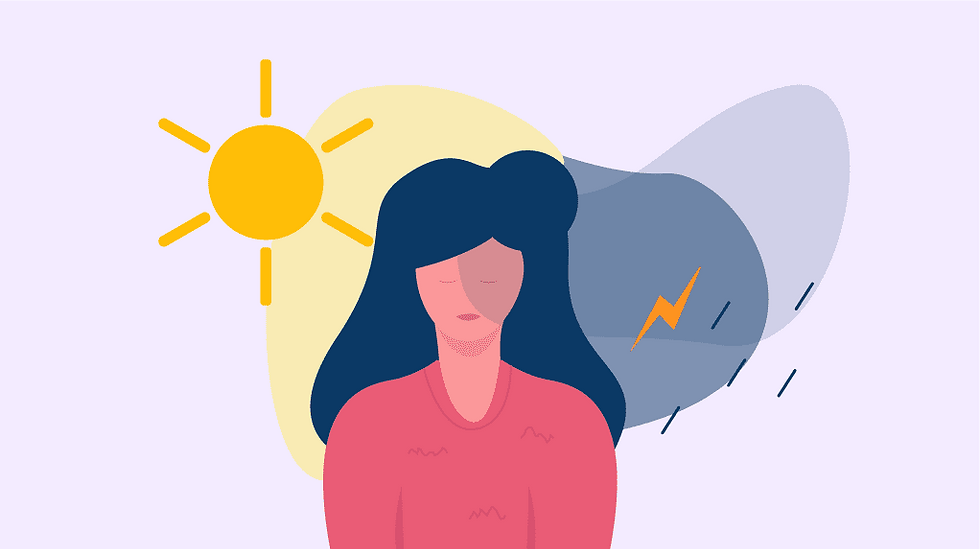
Seasonal Affective Disorder (SAD), is a type of cyclical depression that occurs during the change of seasons. According to the National Institute of Mental Health, it typically lasts 4 to 5 months of the year. Those who suffer from SAD are usually a part of winter-pattern SAD or summer-pattern SAD. Many symptoms of Seasonal Affective Disorder overlap however there are certain pattern-specific symptoms that will be explained in the next section. The causes of SAD are still being researched, but researchers have found possible causes for winter-pattern SAD since it is more common and easier to study (National Institute of Mental Health, 2023). Reduced sunlight in winter months leads to decreased production of vitamin D, causing less serotonin to be released in the brain. It was also observed that melatonin, a neurotransmitter associated with sleep, could be correlated with both SAD patterns (Mayo Clinic, 2024). In those who have winter-pattern SAD, their body produces too much melatonin leading to oversleeping and chronicnever ending fatigue. On the other hand, those with summer-pattern SAD may not have enough melatonin being produced due to longer hours of sunlight and shorter nights (National Institute of Mental Health, 2023). Melatonin is also known to affect one’s circadian rhythm. Abnormal melatonin levels is related to the sleep issues that affect many people with SAD. Seasonal Affective Disorder is still being researched to try and understand all of its causes but these are the current leading theories.
What are some symptoms of Seasonal Affective Disorder?
For many people suffering from winter-pattern SAD, symptoms will begin to appear around late fall and diminish by the middle of spring. Those who have summer-pattern SAD, which is a lot less common, usually have their symptoms start around early spring and go away by the middle to end of fall.
Some symptoms that are shared between both patterns of SAD include:
Feeling down and unmotivated during most hours of the day
Having sleeping issues
Feeling low energy and lethargic
Feeling frustrated or irritated quicker than normal
Feelings of endless hopelessness and worthlessness
Having thoughts of suicide and other self-harm
Winter-pattern SAD have specific symptoms that include:
Oversleeping
Craving carbohydrates constantly and overeating, leading to weight gain
Withdrawing from social environments
Summer-pattern SAD symptoms that are specific to this pattern include:
Restlessness and agitation
Aggressive and sometimes violent behaviour
Trouble sleeping and insomnia
Weight loss
Symptoms of SAD vary from person to person, but the symptoms listed above are some of the most common symptoms shared by those with SAD. This list is not exhaustive, as some people who have SAD experience other symptoms not included in the list.
What are some of the general impacts of seasonal affective disorder?
Seasonal affective disorder (SAD), impacts individuals based on a variety of factors. An individual’s biological and psychological conditions can play a role in their experience with SAD, but so can external factors, such as the number of daylight hours they receive and the outdoor temperatures they are exposed to (Østegaard Madsen et al., 2016). According to Sandman et al. (2016), SAD impacts more women than it does men, with an increased prevalence in North America compared to Europe. Additionally, depressive episodes are also known to accompany SAD. These episodes can inhibit individuals from engaging in their social and work lives as they might normally do, with some individuals not feeling motivated enough to go out with friends, keep up with their daily routine, or even go to work (Nussbaumer-Streit et al., 2018). Additionally, those who experience SAD are more likely to be impacted by weight gain, excessive daytime fatigue, and an increased appetite. Usually, these factors only affect those with SAD in the winter months, and tend to go away during the warmer months. However, some individuals who experience SAD during the winter time begin to experience worrying and anxiety during the end of the summer months, as they begin to anticipate the return of the negative symptoms and effects of SAD (Nussbaumer-Streit et al., 2018). Furthermore, it has been found that those who are affected by a visual impairment are more inclined to develop SAD, due to significantly reduced light in winter months (Østegaard Madsen et al., 2016).
How can seasonal affective disorder impact students?
According to Seto et al. (2021), the changing of seasons can negatively impact students on a large scale. Post-secondary students who reside in areas that do not have drastic seasonal changes tend to be more affected by the depressive symptoms of SAD during the winter months. This can also go hand-in-hand with their experience of adjusting to a new environment as they begin college or university. Stress also plays a role in how intensely students may feel the effects of changing seasons, as it has been reported that students experiencing high levels of stress (such as stress due to academic commitments) tend to face SAD more severely. Additionally, students who move from southern regions to attend school in regions with fewer daylight hours are more susceptible to SAD (Covassin et al., 2019). According to Field (2024), negative SAD-related outcomes that can affect someone’s daily life include issues with recall and recognition, poor overall health, depressive symptoms, and sleep difficulties. These outcomes can negatively impact aspects of a student’s life by hindering their ability to maintain a healthy routine and habits. For example, memory issues can affect a student’s ability to learn and retain the information from their classes. Furthermore, sleep issues can cause them to be more tired during the day, which would also affect their ability to learn, engage with their peers or fulfill their other commitments such as extracurriculars. Additionally, being generally unwell and depressed can also interfere with their ability to maintain a positive mood and lower their capacity to be productive.
Coping with the cold + midterms and exams:
Regardless of whether you have had experience with SAD or not, it is important to remember to care for your mental health as a student. As mentioned earlier, academic stressors such as midterms and exams are correlated with an increased likelihood of students developing SAD during the winter season (Seto et al., 2021). Below are some ways you can take care of your mental health during the colder months, especially when midterm and exam season approaches:
Light Therapy: Also known as Bright Light Therapy or phototherapy, light therapy involves sitting in front of a light box for some time to alleviate symptoms associated with SAD. The light from a light box is meant to be a replacement for the sunlight that is often limited during winter months, and this therapy has been deemed beneficial for those who find themselves feeling symptoms associated with SAD. Before purchasing a light box, it is recommended that you speak to a trusted healthcare professional (Melrose, 2015). At McMaster, medical consultation can be accessed at the Student Wellness Centre.
Counselling: One form of counselling therapy called Cognitive Behavioural Therapy (CBT) is known to target clients’ problems and negative habits, and eventually change their perception regarding them. Even just attending a couple of CBT counselling sessions per week has been proven to be beneficial for those experiencing SAD (Melrose, 2015). At McMaster, counselling services can also be accessed at the Student Wellness Centre. Additionally, outside of the hours that the Student Wellness Centre operates, services like Good2Talk can connect you to a professional counsellor if required.
Self-Care Activities: Activities such as meditation, yoga, and exercise can help someone limit the severity of SAD symptoms that they might be facing (Melrose, 2015). McMaster students have access to the McMaster Athletics and Recreation services that offer yoga, meditation and mindfulness classes. Additionally, some of these services are specifically offered around exam time to help students relieve their stress and be able to relax
Getting more Vitamin D: Several people experiencing SAD also have inadequate levels of Vitamin D, which can contribute to their symptoms. Although sunshine is limited during colder seasons, Vitamin D levels can be improved by bundling up and spending more time outdoors when there is sunlight, preferably doing an activity that you find enjoyable. Additionally, making dietary changes to incorporate more foods with Vitamin D in them, and eating well overall can also be beneficial (Melrose, 2015).
References
Covassin, T., Bretzin, A. C., Japinga, A., Teachnor-Hauk, D., & Nogle, S. (2019, May). Exploring the Relationship Between Depression and Seasonal Affective Disorder in Incoming First Year Collegiate Student-Athletes. Athletic Training & Sports Health Care, 11(3), 124-130. ProQuest. 10.3928/19425864-20180710-01
Field, T. (2024, March 22). Seasonal Affective Disorder: A Narrative Review. Journal of Clinical Psychology and Neurology, 2(1), 1-8. 10.61440/JCPN.2024.v2.14
Mayo Foundation for Medical Education and Research (n.d-b). Seasonal affective disorder (SAD). Mayo Clinic. https://www.mayoclinic.org/diseases-conditions/seasonal-affective-disorder/symptoms-causes/syc-20364651#causes
Melrose, S. (2015, Jan). Seasonal Affective Disorder: An Overview of Assessment and Treatment Approaches. Depression Research and Treatment, 2015(178564), 1-6. 10.1155/2015/178564
Nussbaumer-Streit, B., Pjerk, E., Kien, C., Gartlehner, G., Bartova, L., Friedrich, M.-E., Kasper, S., & Winkler, D. (2018, November 26). Implementing prevention of seasonal affective disorder from patients’ and physicians’ perspectives – a qualitative study. BMC Psychiatry, 18(1), 1-10. Scholars Portal Journals. https://doi.org/10.1186/s12888-018-1951-0
Østegaard Madsen, H., Dam, H., & Hageman, I. (2016, January). High prevalence of seasonal affective disorder among persons with severe visual impairment. The British Journal of Psychiatry, 208(1), 56-61. Scholars Portal Journals.
Sandman, N., Merikanto, I., Määttänen, H., Valli, K., Kronholm, E., Laatikainen, T., Partonen, T., & Paunio, T. (2016, October). Winter is coming: nightmares and sleep problems during seasonal affective disorder. Journal of Sleep Research, 25(5), 612-619. 10.1111/jsr.12416
U.S. Department of Health and Human Services. (n.d.). Depression. National Institute of Mental Health. https://www.nimh.nih.gov/health/topics/depression


Comments