Breaking the Stigma: The Power of Preventative Mental Health Care
- Cope McMaster

- Feb 27, 2025
- 7 min read
Written by: Allyssa Chan and Olivia Cheng
Edited by: Mandana Aliakbari and Liza Nooristani

Stigma Around Mental Health
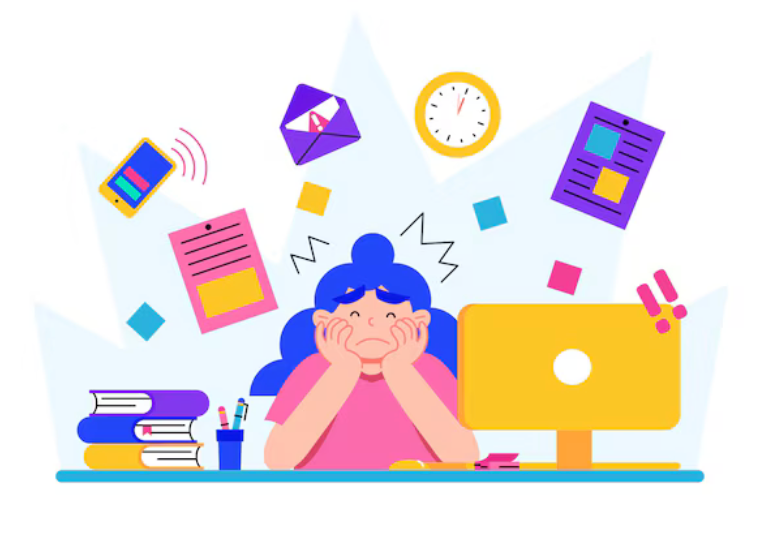
During the school year, students often struggle with maintaining their mental health for a variety of reasons. It may not always be a priority, especially when getting caught up in midterms, extra-curriculars, exams, and other personal reasons is very easy. However, it is essential to take care of one’s mental health to prevent the negative consequences associated with poor mental health and well-being. What makes it difficult to take care of mental health is the stigma around it which has led to many people ignoring their well-being and not wanting to reach out for help.
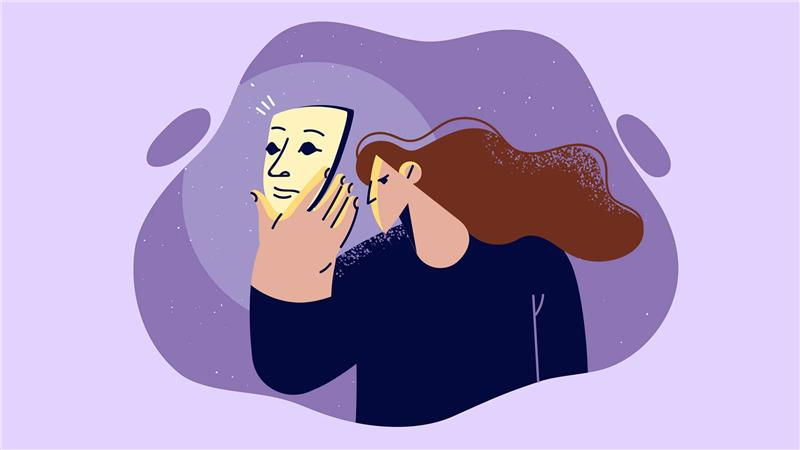
Stigmas are a set of negative stereotypes created by society which discourages people from talking about them (Sartorius, 2007). Mental health is no exception to this societal viewpoint. The stigma around mental health has caused many people to delay their treatment out of fear of discrimination (Ahad et al., 2023). This delay not only results in poor mental health, low self-esteem, and reduced self-confidence, but reinforces the stigma surrounding mental illnesses (Sartorius, 2007).
What is Preventative Mental Health Care
The World Health Organization (WHO) defines mental health as a state of well-being, giving the ability to cope with life stressors, realize potential, engage in the community, and work productively. It is important to take care of one’s mental health because it can negatively affect all aspects of an individual’s life, including their social relationships, academics, and self-esteem.
Preventative mental health care is the act of minimizing the risk of mental health problems occuring, which could range from mental health risk factors to developing an illness (Singh et al., 2022). Ways to prevent mental health illnesses can include various interventions and strategies. A significant aspect of preventative care is on salutogenesis, which focuses on the promotion and improvement of mental health rather than the factors that cause mental health disorders (Duncan et al., 2021).
There are three levels of prevention which all focus on varying stages of an illness's course. Primary prevention targets mental health problems before they begin. Secondary and tertiary prevention aims to reduce the effects of mental health illnesses for those who have already developed an illness (Singh et al., 2022).
Preventative Mental Health Care Interventions
Though there is limited research on promotive and preventive interventions for mental health compared to physical health (Singh et al., 2022), evidence has supported a few interventions that increased mental well-being. Below are a few preventative strategies, however, the efficacy of each depends on where an individual stands in their mental health experience:
Positive psychology: A framework that focuses on an individual’s positive psychological traits (i.e., hope, optimism, gratitude, happiness etc.). It accentuates positive emotions to promote and prevent mental illness (Duncan et al., 2021).
Focusing on and improving positive emotions has been shown to help increase well-being (Kobau et al., 2011)
Interventions: Practicing gratitude, practicing mindfulness, acts of kindness (Kobau et al., 2011).
Mindfulness-based stress reduction: Mindfulness therapy is used to reduce stress, promote positive thinking habits, and the ability to manage emotions (Pan et al., 2024). Practicing mindfulness can help increase quality of life and reduce common mental health concerns such as anxiety and depression. It also has the ability to increase self-esteem, improve communication, and relieve emotions (Pan et al., 2024).
What does it look like?: Reflecting on one’s personality, being aware of their emotions, and letting go of stressors (Pan et al., 2024).
Staying active: Engaging in physical activity has proven to improve overall well-being and reduce the likelihood of developing mental health disorders such as depression. Generally, people should stay active for over 5 days per week while doing moderate intensity activity for a total of 150 minutes, or 3 days and 75 minutes per week while doing greater intensity activity (Stanton et al., 2014).
Getting good sleep: Ensuring a good night’s rest can significantly improve one’s mental health as sleep improves brain function. Without getting sufficient sleep, individuals are prone to having trouble controlling their emotions and behavior which can have a domino effect on one’s mental health (NIH, 2022).
Publicly Funded Healthcare
Safe Injection Sites (SISs)
Safe injection sites are publicly funded sites carrying commonly abused drugs, often illicit, under the supervision of trained professionals. These sites also carry clean equipment for the use of drugs (Wood et al., 2004). The goal of safe injection sites is to protect users from engaging in dangerous drug use, risking adverse outcomes such as overdose and infection (Wood et al., 2004). These sites act as a preventative mental health service slightly differently, accepting the wide use of illicit drugs and preventing the risks that come with it. While there is little research on the long-term effects of SISs, they have been shown to improve users’ social functioning, decrease rates of death by overdose, and decrease behaviours correlated with spread of infectious disease.
Health education
To maximize the benefits of preventative mental health care, programs must be implemented as early as possible. This means that an effective place to start implementing these strategies is in schools. There have been a number of proposed plans that can target mental wellbeing, academic performance, and social skills as early as elementary schools. Not only this, but other programs focus on bullying, depression, anxiety, and more (Cruden et al., 2016). In higher education students, mental health interventions that teach skills such as relaxation and mindfulness have proven extremely effective as a method of preventative care (Conley et al., 2013). In these interventions, trained professionals teach higher education students how to apply various skills to enhance mental wellbeing. In order for these care programs to work, they must be solidified as part of the education system (Conley et al., 2013). This may be difficult to achieve, as this requires work from schools, students, and professionals. Should this occur, health education as a form of preventative mental health care has potential to be extremely effective in improving students’ adjustment to their environment and quality of life (Conley et al., 2013).
The Power of Prevention
The purpose of preventative mental health care is to address mental health issues before they develop into a larger problem. Preventative strategies may uncover the emergence of disorders early on, possibly being able to stop them from developing (Phillips et al., 1999). Regarding safe injection sites, this form of care plays a key role in not only aiding mental health, but the physical side effects of drug addiction. The interventions previously listed play crucial roles in improving quality of life, reducing negative effects of mental disorders, and possibly even preventing a mental illness from occurring. While there is little research on how preventative care can impact mental health stigma, mental health education is one way to start conversations about the topic. When more are educated on topics and they become more widely talked about, stigma begins to break down. This may be a key step in how to further preventative care, in addition to widespread implementation of prevention programs. When these two factors are in place, the current mental health crisis may begin to stay under control.
Resources:
Below are resources available to McMaster students that focus on mental health care. They can act as great stepping stones for improved well-being and strive to create safe spaces for everyone. It is important to take the time to care for yourself and maintain your mental health.
McMaster Student Wellness Center: The Student Wellness Center (SWC) is located in the Peter George Center for Living and Learning, and offers a wide range of resources for students. They offer counselling, medical care, and wellness programs.
Counselling: The SWC offers free counselling to students who wish to seek any support for things on their mind. You can book an appointment by calling 905-525-9140 x 27700.
Good2Talk: An online platform run by youth which offers a confidential support service for post-secondary students to talk about their problems, gain support, and share inspiration and experiences.
Mindfulness Exercises: This article from McGill University shares five easy mindfulness exercises that can be added into your daily routine to help improve quality of life.
Student-run mental health initiatives: McMaster has many clubs and initiatives led by students that work towards improving overall well-being. Clubs such as COPE, McMaster Public Health Association, Maccess, and more are great peer support resources.
References
Ahad, A., Gonzalez, M., & Junquera, P. (2023). Understanding and addressing mental health stigma across cultures for improving psychiatric care: A narrative review. Cureus, 15(5), 1–8. https://doi.org/10.7759/cureus.39549
Conley, C. S., Durlak, J. A., & Dickson, D. A. (2013). An Evaluative Review of Outcome Research on Universal Mental Health Promotion and Prevention Programs for Higher Education Students. Journal of American College Health, 61(5), 286–301. https://doi.org/10.1080/07448481.2013.802237
Cruden, G., Kelleher, K., Kellam, S., & Brown, C. H. (2016). Increasing the Delivery of Preventive Health Services in Public Education. American Journal of Preventive Medicine, 51(4), S158–S167. https://doi.org/10.1016/j.amepre.2016.07.002
Duncan, A. R., Daugherty, G., & Carmichael, G. (2021). An Emerging Preventive Mental Health Care Strategy: The Neurobiological and Functional Basis of Positive Psychological Traits. Frontiers in Psychology, 12. https://doi.org/10.3389/fpsyg.2021.728797
Kobau, R., Seligman, M. E. P., Peterson, C., Diener, E., Zack, M. M., Chapman, D., & Thompson, W. (2011). Mental Health Promotion in Public Health: Perspectives and Strategies from Positive Psychology. American Journal of Public Health, 101(8), e1–e9. https://doi.org/10.2105/ajph.2010.300083
NIH. (2022, June 15). Sleep Deprivation and Deficiency - How Sleep Affects Your Health | NHLBI, NIH. Www.nhlbi.nih.gov; National Heart, Lung, and Blood Institute. https://www.nhlbi.nih.gov/health/sleep-deprivation/health-effects
Pan, Y., Li, F., Liang, H., Shen, X., Bing, Z., Cheng, L., & Dong, Y. (2024). Effectiveness of Mindfulness-Based Stress Reduction on Mental Health and Psychological Quality of Life among University Students: A GRADE-Assessed Systematic Review. Evidence-Based Complementary and Alternative Medicine, 2024(1), e8872685. https://doi.org/10.1155/2024/8872685
Phillips, L., Yung, A. R., Hearn, N., McFarlane, C., Hallgren, M., & McGorry, P. D. (1999). Preventative Mental Health Care: Accessing the Target Population. Australian & New Zealand Journal of Psychiatry, 33(6), 912–917. https://doi.org/10.1046/j.1440-1614.1999.00613.x
Sartorius, N. (2007). Stigma and mental health. The Lancet, 370(9590), 810–811. https://doi.org/10.1016/s0140-6736(07)61245-8
Singh, V., Kumar, A., & Gupta, S. (2022). Mental Health Prevention and Promotion—a Narrative Review. Frontiers in Psychiatry, 13. https://doi.org/10.3389/fpsyt.2022.898009
Stanton, R., Happell, B., & Reaburn, P. (2014). The mental health benefits of regular physical activity, and its role in preventing future depressive illness. Nursing: Research and Reviews, 4, 45–53. https://doi.org/10.2147/nrr.s41956
Wood, E., Kerr, T., Lloyd-Smith, E., Buchner, C., Marsh, D. C., Montaner, J. S., & Tyndall, M. W. (2004). Methodology for evaluating Insite: Canada’s first medically supervised safer injection facility for injection drug users. Harm Reduction Journal, 1(1). https://doi.org/10.1186/1477-7517-1-9
World Health Organization. (2022, June 17). Mental health. World Health Organization. https://www.who.int/news-room/fact-sheets/detail/mental-health-strengthening-our-response

Comments