Balance vs. Burnout: How to Recognize and Combat Academic Burnout
- Cope McMaster

- Jan 19, 2025
- 6 min read
Written by: Elizabeth Huynh and Mandana Aliakbari
Edited by: Alysha Selvarajah and Amelie Lovis

Introduction and Importance of Recognition
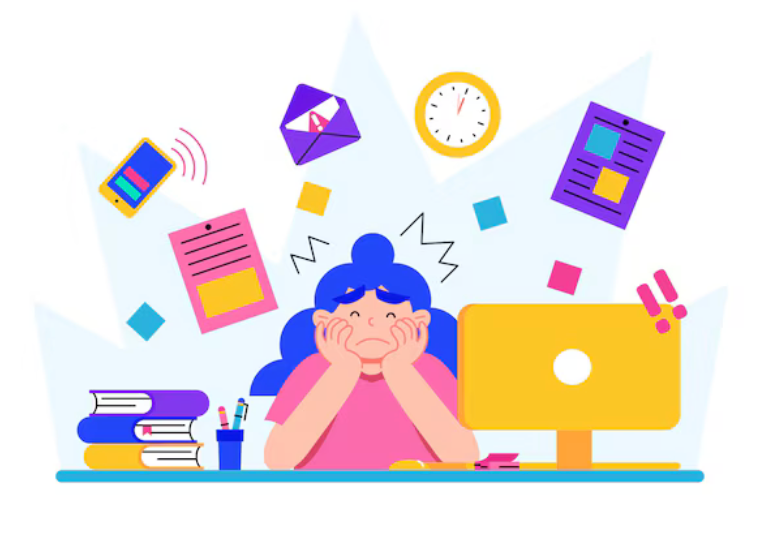
Exhaustion is a familiar feeling that all of us have experienced at some point in our life journey. However, when feelings of chronic fatigue are paired with a loss in our sense of achievement, and indifference toward our work or hobbies, we may be burnt out. These feelings tend to be much deeper, and well beyond simple physical tiredness (Walburg, 2014; Melo, 2024). Post-secondary education is inherently stressful due to increased academic demands combined with the responsibilities of adulthood (Loi & Pryce, 2022). As such, it is not uncommon for students to feel “burnt out” during the academic year. Interestingly, research has shown that secondary students are consistently at a higher risk of burnout than professional adults (Walburg, 2014).
Understanding Signs & Symptoms
Burnout consists of three types of symptoms: physical, emotional and behavioural. Common signs of burnout may present themselves as:
Physical Signs: Individuals may experience extreme and lasting exhaustion. Fatigue tends to be one of the most common signs of burnout.
Burnout is often also accompanied by sleep disturbances or feeling unrested after sleep which further contributes to exhaustion (Melo et al., 2024)
Prolonged academic stress can lead to tension headaches, muscle aches, and changes in appetite (Melo et al., 2024).
Emotional Signs: Burnout may manifest in feelings of frustration, irritability and mood swings (Vizoso et al., 2020).
With an overwhelming sense of responsibility, it can become increasingly difficult to cope with extra stress, leading to feelings of hopelessness (Dobos, Mellor, & Piko, 2020).
Students might experience a diminished sense of accomplishment or competence due to burnout, feeling disconnected or unmotivated from their goals or academic obligations (Vizoso et al., 2020; Walburg, 2018).
Behavioural Signs: Many also begin to withdraw from their academic duties or begin to view their work with indifference. They may adopt a careless attitude toward their work, resulting in decreased productivity, quality of work, and performance (Melo et al., 2024).
Some isolate themselves from peers, and family due to emotional exhaustion (Walburg, 2018). Others may start putting off tasks, avoid responsibilities, or even begin missing deadlines (Melo et al., 2024).
It is important to remember that all these feelings are normal, especially during the stressful examination period. There are several factors that contribute to burnout such as:
Lack of resources: Since entering adulthood, many of us feel persistent anxiety about not meeting societal expectations (Lamberts & Cable, 2024). Without access to proper social support from faculty, family or friends, feelings of burnout are exacerbated (Vizoso et al., 2020). The lack of resources required to manage stress also contributes to academic burnout (Loi & Pryce, 2022).
Workload: Too much work can impact the amount of rest one gets. If individuals lack the opportunity to rest and restore their well-being, the chances of burnout occurring are much higher (Wilson, 2011). If this pressure continues to build up and the student lacks proper resources or support to cope with the demand, it can manifest in burnout. The constant pressure to meet deadlines can also cause detachment from academics as well (Melo et al., 2024)
Poor Coping Strategies: A student's coping mechanisms are their strongest tool against burnout and stress. Ineffective coping mechanisms such as procrastination or overworking without proper breaks increase the chances of struggling with burnout (Vizoso et al., 2020).
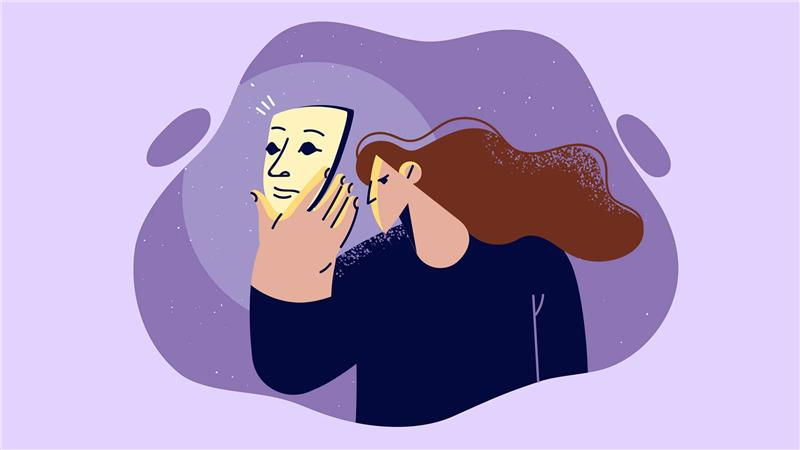
With many of us setting unrealistic goals to keep up appearances, the pressure continuously grows. However, you should know that burnout is not restricted to a certain culture or group. Rather, it is a phenomenon that affects all of us and can have severe consequences such as a higher risk of depression, internalized anxiety, esteem issues, and even somatic symptoms.
Balance and Combating Burnout
A well-established routine is key to staying on track with academic responsibilities while maintaining your personal life. Having a routine will give students a sense of control and reduce uncertainty (Lamberts & Cable, 2024). The routine must include time for sufficient rest and sleep, self-care, and social activities with friends and family. Maintaining consistent habits will also help students cope with stressful situations, making them less susceptible to burnout. Routines allow students to set important boundaries, maintaining a balance between their academic and personal lives to ensure that no aspect of their lives consumes all of their energy (Walburg, 2018). By maintaining a routine, you will be able to combat burnout with a well-structured schedule that will break big tasks into more manageable pieces and prevent being overwhelmed. This will also help with prioritizing a healthy lifestyle in addition to healthy eating, exercising and an allocated time for mindfulness or relaxation.
Prioritizing your self-care is essential in combating burnout and ensuring that you are able to meet the academic demands while maintaining a healthy mind and body (Sparks, 2023). There is no one set activity for self-care; it can look and feel different for each individual. Some individuals can relax their minds by reading a book, going to the gym, or hanging out with friends. Activities that you find to stimulate your happiness and nourish your mind and body are worth prioritizing. Furthermore, engaging in self-care will help you recharge your energy and manage stress, helping you tackle academic responsibilities with a clearer mind and renewed focus.
Having a strong support system to share your experiences and struggles is also essential to tackling burnout. Regardless of whether they share similar experiences, individuals can provide encouragement and serve as a source of support during challenging moments (Sparks, 2023). Moreover, support systems are not limited to friends and family; reaching out to school services such as academic advising and wellness centres can make a significant difference in managing burnout. Academic advisors and accessibility services can offer advice on how to handle heavy workloads or help make adjustments that can make academic tasks more manageable.
Conclusion
University is an exciting opportunity for students to gain new knowledge and experiences. While incredibly rewarding, post-secondary education also comes with new pressures, demands, and stresses that may be difficult to handle if students are not equipped with supportive resources and coping techniques. Recognizing the signs of burnout can help students identify when they need support, adopt strategies to balance academic work, and take steps to prioritize and restore one’s mental health. Burnout is not uncommon between students and people working in various fields. It is not something to be ashamed of and learning to cope is one of many great steps to tackling it.
Resources for Students
It is important that students are able to recognize signs of burnout and seek support when needed. Provided below is a list of resources available to McMaster students to help tackle burnout and maintain their physical and mental well-being:
Student Wellness Centre: The SWC provides students with counselling services, medical care, and workshops and support programs. They can help students address any concerns and questions regarding well-being. Appointments can be made in person or via call. They also have allocated times throughout the semester when they accept walk-ins.
Academic Advising: Students can access academic advising through their Faculty. Advisors can help you navigate your academic work and provide guidance on managing your course load including any missed assignments, planning your academics, and more.
MSU Student Assistance Plan: This program offers free, 24/7 access to mental health support for undergraduate McMaster students. Support can range from counselling and financial planning to wellness programs.
Student Accessibility Services: For students requiring additional assistance in managing burnout or other academic challenges, Student Accessibility Services (SAS) provides academic accommodations and related support. SAS offers a variety of accommodations tailored to each individual.
Peer Support and Student Groups: There are multiple peer support groups across campus where students can look for support and connect with peers. These Clubs include COPE, Jack.org, WGEN, SHEC and more.
References
Dobos, B., Mellor, D., & Piko, B. F. (2024). Exploring fear of happiness among university students: The role of perfectionism, academic burnout, loneliness, and hopelessness. Scandinavian Journal of Psychology, 65(3), 559–567. https://doi.org/10.1111/sjop.13001
Jiang, L., Tripp, T. M., & Hong, P. Y. (2017). College instruction is not so stress free after all: A qualitative and quantitative study of academic entitlement, uncivil behaviors, and instructor strain and burnout. Stress and Health, 33(5), 578–589. https://doi.org/10.1002/ smi.2742
Lamberts, R. P., & Tim Cable, N. (2024). Academic Life: The Good, the Bad, and the Ugly. International Journal of Sports Physiology & Performance, 19(4), 329–330. https://doi-o rg.libaccess.lib.mcmaster.ca/10.1123/ijspp.2024-0029
Loi, N. M., & Pryce, N. (2022). The Role of Mindful Self-Care in the Relationship between Emotional Intelligence and Burnout in University Students. The Journal of Psychology, 156(4), 295–309. https://doi.org/10.1080/00223980.2022.2045887
Melo, V. D., Saifuddin, H., Peng, L. T., Wolanskyj-Spinner, A. P., Marshall, A. L., & Leep Hunderfund, A. N. (2024). Signs, Sources, Coping Strategies, and Suggested Interventions for Burnout Among Preclerkship Students at a U.S. Medical School: A Qualitative Focus Group Study. Academic Medicine, 99(9), 987–996. https://doi.org/10.1 097/ACM.0000000000005744
Sparks, A. (2023). Preventing burnout: 7 strategies and when to seek help. Medical News Today. https://www.medicalnewstoday.com/articles/preventing-burnout#self-care
Walburg, V. (2014, April 2). Burnout among high school students: A literature review. Children and Youth Services Review. https://www.sciencedirect.com/science/article/pii/S01907409 14001 261
Wilson, S. (2011). Avoid the burn. American Psychological Association. https://www.apa.org/gra dpsych/2011/03/corner

Comments